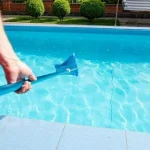

(Complete Guide to Built-In Pools, Permanent Swimming Pools, and Ground-Level Pool Systems)
An inground swimming pool is more than a recreational feature. It is a permanent water system integrated into the structure of a property. Often referred to as built-in pools, ground-level swimming pools, or permanent swimming systems, inground pools are designed for long-term use, daily performance, and consistent water management.
Unlike temporary pool systems, inground pools require a deeper level of technical planning, structural stability, and maintenance management. Their performance depends not only on water chemistry but also on circulation design, filtration systems, plumbing layout, equipment efficiency, and structural integrity.
This guide focuses on understanding how inground swimming pools function as systems, identifying common problems, and applying practical solutions that protect water quality, equipment, and long-term pool performance.
Understanding the Structure of an Inground Pool System
An inground swimming pool is a permanently installed system made up of multiple interconnected components. These include the pool shell, plumbing network, circulation system, filtration equipment, pump system, skimmers, drains, return lines, and water treatment components.
Each part must operate in balance. When one element fails, it affects the entire system. Poor plumbing design reduces circulation. Weak filtration leads to water clarity issues. Improper chemical balance damages surfaces and equipment. Structural stress affects the pool shell and surrounding foundation.
Understanding this interconnected structure is essential for long-term reliability and performance.
Common Problems in Inground Swimming Pools
Cloudy water is one of the most common issues and is usually caused by poor filtration, circulation imbalance, clogged filters, or inconsistent water chemistry.
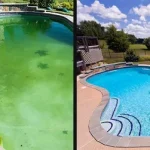
Algae growth develops when water flow is uneven, dead circulation zones form, or filtration systems are overloaded. Chemical treatment alone does not solve algae problems if circulation is weak.
Surface damage occurs when water chemistry is not balanced. Acidic water corrodes pool surfaces and metal components. High calcium levels cause scaling. Poor pH control damages plaster, tiles, and finishes.
Plumbing and equipment failures often result from pressure imbalance, debris buildup, blocked lines, and poor maintenance schedules. Pumps and filters are especially vulnerable to stress when flow rates are not properly managed.
Structural Stability and Installation Quality
The long-term stability of an inground swimming pool begins at installation. Soil compaction, base engineering, drainage planning, shell support, and plumbing alignment determine whether the pool remains structurally sound.
Poor installation leads to ground shifting, shell cracking, plumbing leaks, and water loss. Drainage issues cause soil erosion around the pool structure, weakening the foundation over time.
Electrical grounding, equipment placement, and circulation layout are also critical to long-term system stability and safety.
Circulation Design and Water Movement
Water movement is the foundation of clean water. Proper circulation ensures even chemical distribution, debris removal, and contamination control.
Poor circulation creates dead zones where bacteria and algae thrive. These zones often develop due to incorrect return placement, blocked plumbing lines, weak pumps, or poor filtration design.
Effective circulation systems move water consistently throughout the pool, supporting filtration and water treatment efficiency.
Filtration Systems and Water Clarity
Filtration removes physical contaminants, bacteria, and suspended particles. When filters are dirty or overloaded, water clarity declines quickly.
Routine filter cleaning, pressure monitoring, and system flushing maintain filtration performance. Without proper filter maintenance, chemical treatments become less effective and water quality becomes unstable.
Water Chemistry Balance and Surface Protection
Balanced water chemistry protects both swimmers and pool structure. Incorrect pH levels damage surfaces and metal parts. Poor chlorine balance allows bacteria growth. Unstable alkalinity causes chemical fluctuations.
Consistent testing and gradual chemical adjustments prevent corrosion, staining, scaling, and surface damage. Balanced water chemistry also reduces long-term maintenance costs.
Energy Efficiency and Equipment Longevity
Inground pools consume more energy than surface-level systems, making efficiency management essential. Dirty filters, oversized pumps, and poor plumbing layouts increase energy consumption.
Efficient operation depends on clean filtration systems, proper pump sizing, balanced flow rates, and well-designed circulation paths. These factors reduce electrical demand and extend equipment lifespan.
Informational Comparison Table
| Aspect | Inground Swimming Pools | Common Problems Without Proper Care |
|---|---|---|
| Structural design | Permanent built-in shell | Cracks, shifting, foundation stress |
| Water circulation | Engineered flow system | Dead zones and contamination buildup |
| Filtration | High-capacity filtration units | Cloudy water and bacterial growth |
| Water chemistry | Continuous chemical control | Surface damage and corrosion |
| Equipment systems | Pumps, heaters, filters | Premature equipment failure |
| Energy use | Higher operational demand | Increased utility costs |
Long-Term Care and Maintenance Strategy
Long-term performance depends on prevention rather than repair. Routine inspections, system servicing, water testing, filter cleaning, and circulation monitoring prevent most failures before they occur.
Consistent maintenance protects pool surfaces, plumbing lines, filtration systems, and mechanical equipment. Preventive care is more cost-effective than emergency repairs and system replacements.
Final Perspective
An inground swimming pool is a permanent investment that requires system-level management. Clean water, stable structure, and efficient operation depend on circulation design, filtration quality, balanced chemistry, and routine maintenance.
Most long-term problems are not caused by the pool itself but by neglected care, poor installation, and system imbalance. With proper knowledge and consistent maintenance, inground pools can remain reliable, safe, and functional for decades.
Frequently Asked Questions
How long does an inground swimming pool last
With proper structural installation, routine maintenance, and balanced water chemistry, inground pools can last several decades
Why does algae keep forming in an inground pool
Recurring algae usually indicates circulation problems, dead zones, or filtration inefficiency rather than chemical imbalance alone
How often should inground pool systems be serviced
Filtration systems and pumps should be inspected seasonally and maintained regularly to ensure consistent performance
What causes surface damage in inground pools
Surface damage is commonly caused by poor pH balance, chemical instability, scaling, and corrosion over time
Are inground pools expensive to maintain
Maintenance costs depend on equipment efficiency, water management, and preventive care practices rather than the pool type alone