
(Complete Guide to Elevated Pools, Surface-Level Pools, and Portable Backyard Swimming Systems)
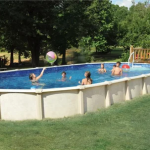
Above ground swimming pools have become one of the most practical swimming solutions for homeowners seeking affordability, flexibility, and manageable maintenance. Also known as elevated swimming pools or surface level pools, these systems provide a reliable way to enjoy swimming without permanent construction or complex structural work.
However, owning an above ground pool is not just about filling it with water and enjoying it. Long-term performance depends on correct installation, proper circulation design, filtration management, water chemistry balance, and routine equipment care. Most pool problems are not caused by the pool itself but by system mismanagement and lack of technical understanding.
This guide focuses on solving those problems through clear information, so pool owners can maintain clean water, protect their equipment, and extend the life of their pool system.
Understanding the System Behind Above Ground Swimming Pools
An above ground pool is a complete operating system, not a standalone structure. It consists of a liner, frame, base foundation, pump, filter, plumbing, skimmer, return lines, and circulation pathways. Each component plays a role in maintaining water quality and structural stability.
When one part fails or is poorly maintained, it affects the entire system. Weak circulation leads to stagnant water zones. Dirty filters reduce water clarity. Poor chemical balance damages liners and metal components. Structural instability stresses the pool walls and base.
Understanding this system-based design helps owners prevent most common issues before they become costly problems.
Common Problems and Their Root Causes
Cloudy water is one of the most frequent complaints. This usually happens due to weak filtration, clogged filters, poor circulation flow, or unbalanced water chemistry. Treating the water without fixing the system causes repeated problems.
Algae growth is another common issue. Algae forms when water circulation is weak, dead zones exist, or filtration is ineffective. Chemical treatment alone does not solve this if water flow problems remain.
Liner damage often comes from uneven foundations, poor drainage, UV exposure, and chemical imbalance. Over time, liners weaken if not protected through proper water management and base stability.
Equipment failure happens when pumps are undersized or oversized, filters are overloaded, or debris buildup restricts flow. Preventive maintenance and routine inspections significantly reduce these risks.
Installation Quality and Structural Stability
Proper installation determines long-term performance. Ground leveling, soil compaction, base material quality, drainage planning, electrical grounding, and correct equipment positioning all affect pool stability and efficiency.
Uneven installation creates stress points in the pool structure. Poor drainage causes soil erosion under the base. Incorrect plumbing layout reduces circulation efficiency. Weak electrical grounding creates safety risks.
Good installation prevents structural movement, liner damage, water leakage, and equipment stress.
Circulation, Filtration, and Water Flow Management
Clean water is driven by circulation, not chemicals alone. Proper circulation moves debris toward filters, prevents stagnant zones, and maintains even chemical distribution.
Filtration systems remove particles, bacteria, and contaminants. When filters are dirty or pumps are weak, water clarity declines rapidly. Routine filter cleaning, pump inspection, and system flushing are essential for consistent performance.
Water flow design should allow even movement throughout the pool to prevent contamination buildup.
Water Chemistry Balance and Pool Protection
Balanced water protects swimmers, pool surfaces, and equipment. Incorrect pH causes corrosion and liner damage. Poor chlorine balance allows bacteria growth. Unstable alkalinity causes chemical fluctuations.
Routine testing and gradual chemical adjustments prevent long-term damage and water quality issues. Balanced water chemistry reduces maintenance costs and extends equipment life.
Energy Efficiency and Equipment Lifespan
Above ground pools are naturally energy-efficient, but poor equipment management increases operating costs. Dirty filters increase pump workload. Incorrect pump sizing wastes electricity. Poor circulation increases chemical usage.
Efficient systems rely on clean filters, balanced flow rates, correct pump sizing, and proper plumbing design. These factors reduce power consumption and equipment strain.
Informational Comparison Table
| Aspect | Above Ground Swimming Pools | Common Risk Without Proper Care |
|---|---|---|
| Installation | Simple surface-level setup | Structural shifting, liner stress |
| Water circulation | Pump and return-based flow | Dead zones and algae formation |
| Filtration | Cartridge or sand filters | Cloudy water and contamination |
| Maintenance | Routine cleaning and testing | Equipment failure and water imbalance |
| Energy use | Lower power demand | High operating costs with poor setup |
| Structural support | Ground-based foundation | Soil erosion and instability |
Long-Term Care Strategy
Long-term performance comes from prevention. Routine cleaning, system inspections, water testing, filter servicing, and circulation monitoring prevent most problems before they occur.
Consistent care protects the liner, structure, pump, filter, and water quality system. Preventive maintenance is always more effective than emergency repairs.
Final Insight
Above ground swimming pools are efficient, flexible, and reliable swimming systems when managed correctly. Most long-term problems are caused by poor circulation, weak filtration, improper installation, and neglected maintenance.
With proper system care, these pools remain clean, stable, and functional for many years. Understanding the technical side of pool operation allows owners to prevent common issues instead of reacting to them.
Frequently Asked Questions
How long can an above ground swimming pool last
With proper installation, balanced water chemistry, and routine maintenance, most above ground pools can last between ten and twenty years depending on materials and care quality
Why does water stay cloudy even after chemical treatment
Cloudy water usually indicates filtration or circulation problems rather than chemical imbalance alone
How often should filters and pumps be serviced
Filters should be cleaned regularly and pumps should be inspected seasonally to maintain proper flow and pressure
Can algae keep returning after treatment
Yes, if circulation problems and dead zones are not corrected, algae will continue to reappear
Is structural shifting common in above ground pools
Structural shifting occurs when base leveling and drainage planning are poorly managed during installation