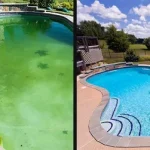

There’s nothing more disappointing than stepping outside, ready for a refreshing swim, only to find your sparkling pool has turned into a cloudy green swamp. A green swimming pool is more than just an eyesore it signals that algae have started to grow because the water chemistry is out of balance. The good news is that with the right approach, you can restore your pool to crystal-clear condition and prevent the problem from returning.
Why Does a Swimming Pool Turn Green?
A swimming pool usually turns green when algae begin multiplying in the water. Warm temperatures, low chlorine levels, poor filtration, and inadequate water circulation create the perfect environment for algae growth. Sometimes, heavy rain, excessive debris, or neglected maintenance can also contribute to the problem.
The first step to restoring your pool is identifying the cause. Testing the water helps determine whether the chlorine, pH, or alkalinity levels are outside the recommended range. Once the water chemistry is balanced, removing the algae becomes much easier.
What You’ll Need to Clean a Green Pool
Before you begin, gather the essential tools and chemicals:
- Pool brush for scrubbing walls and floors
- Pool vacuum to remove dead algae
- Leaf skimmer for floating debris
- Water testing kit
- Chlorine shock treatment
- Pool filter and pump in good working condition
- pH increaser or reducer if needed
- Algaecide (optional for stubborn algae)
Having the right equipment saves time and improves the effectiveness of the cleaning process.
How to Clean a Green Swimming Pool
Cleaning a green pool requires patience and a systematic approach. Follow these steps for the best results.
- Remove Leaves and Debris
Start by skimming leaves, insects, and other debris from the surface. Large debris consumes chlorine, making it harder to eliminate algae.
- Test and Balance the Water
Use a reliable water testing kit to check chlorine, pH, and alkalinity levels. Ideally, the pH should remain between 7.2 and 7.6 before adding chlorine shock, allowing it to work more effectively.
- Brush the Pool Surfaces
Thoroughly brush the pool walls, floor, corners, and steps. Brushing loosens algae that cling to surfaces and helps chlorine reach hidden growth.
- Shock the Pool
Add an appropriate amount of chlorine shock based on your pool’s size and the severity of the algae. For heavily affected pools, multiple shock treatments may be necessary. Always follow the manufacturer’s instructions and run the pump continuously after shocking.
- Run the Filtration System
Allow your filtration system to operate continuously for at least 24 to 48 hours. The filter removes dead algae and suspended particles that make the water appear cloudy.
- Vacuum the Pool
Once the algae have died, vacuum the pool carefully to remove the remaining debris from the floor. Clean or backwash the filter if it becomes clogged during the process.
DIY vs. Professional Pool Cleaning
Choosing between cleaning the pool yourself or hiring professionals depends on the severity of the problem, your budget, and available time.
|
Option |
Advantages |
Considerations |
|
DIY Cleaning |
Lower cost, flexible schedule, learn pool maintenance |
Requires time, effort, and chemical knowledge |
|
Professional Cleaning |
Faster results, expert treatment, advanced equipment |
Higher upfront cost |
If your pool has severe algae growth or recurring water quality issues, professional pool cleaning services can save both time and frustration.
How Much Does It Cost to Clean a Green Pool?
Cleaning costs vary depending on whether you choose the DIY route or hire professionals.
- DIY chemicals generally cost $50–$150.
- Additional equipment may cost $50–$200 if you don’t already own it.
- Professional green pool cleaning typically ranges from $200–$500.
- Severe algae infestations requiring multiple treatments may cost up to $600.
Although DIY cleaning is more affordable, professional services often deliver quicker and more reliable results for heavily contaminated pools.
How Long Does It Take to Clear a Green Pool?
The recovery time depends on how severe the algae infestation has become.
A lightly green pool may clear within 24 hours, while darker, heavily contaminated pools often require 48 to 72 hours of continuous filtration, brushing, and vacuuming. Extremely neglected pools may take several days before the water becomes completely clear.
Patience is essential avoid adding excessive chemicals in an attempt to speed up the process.
How to Prevent Your Pool from Turning Green Again
Preventing algae is much easier than removing it. Consistent maintenance keeps your pool healthy throughout the swimming season.
Follow these simple habits:
- Test water chemistry at least once a week.
- Maintain proper chlorine levels.
- Brush walls and steps regularly.
- Vacuum the pool weekly.
- Run the filtration system daily.
- Empty skimmer baskets frequently.
- Clean or backwash the filter as recommended.
- Use a pool cover when the pool is not in use.
- Add a preventative algaecide when appropriate.
Small maintenance tasks performed consistently can prevent costly cleanups later.
Common Mistakes to Avoid
Many pool owners unintentionally make the algae problem worse by skipping important steps. Avoid these common mistakes:
- Shocking the pool without balancing the pH first.
- Turning off the filtration system too early.
- Forgetting to brush the walls before shocking.
- Neglecting to clean the filter after algae die.
- Swimming before chlorine levels return to safe ranges.
Following the proper cleaning sequence ensures faster recovery and healthier water.
Need Professional Help Restoring Your Green Pool?
A severely green swimming pool doesn’t have to ruin your swimming season. If algae keep returning or you don’t have the time to handle the cleanup yourself, Pool Responders is here to help.
Our experienced technicians provide professional green-to-blue pool treatments, routine pool cleaning, pool equipment repair, water balancing, and complete pool maintenance for homeowners in Gatesville, Copperas Cove, Killeen, and Waco, TX.
Whether your pool needs a quick algae treatment or a complete restoration, we’ll help bring it back to crystal-clear condition quickly and safely.
Contact Pool Responders today to schedule your professional pool cleaning service and enjoy a healthier, cleaner pool all season long.
FAQs
- What is the fastest way to clean a green swimming pool?
The fastest way is to remove debris, balance the water chemistry, shock the pool with chlorine, brush all surfaces, run the filtration system continuously for 24–48 hours, and vacuum the dead algae.
- How long does it take to clear a green pool?
A lightly green pool may clear within 24 hours, while heavily affected pools can take two to three days depending on the algae growth, filtration system, and water balance.
- Can I swim in a green swimming pool?
No. A green pool may contain algae, bacteria, and unbalanced chemicals that can cause skin irritation, eye discomfort, and poor water quality.
- Why does my pool keep turning green?
Recurring algae growth is usually caused by low chlorine levels, poor water circulation, dirty filters, or inconsistent pool maintenance. Regular testing and cleaning help prevent the problem.
Final Thoughts
A green swimming pool may look overwhelming, but it’s usually a sign that the water chemistry and maintenance routine need attention not that your pool is beyond repair. By testing the water, balancing chemicals, brushing surfaces, shocking the pool, and running the filtration system continuously, you can restore clear, inviting water within a few days.
Regular maintenance remains the best defense against algae growth. Weekly cleaning, proper chemical balance, and routine equipment inspections will keep your pool safe, clean, and ready for every swim. If the algae problem becomes too severe or keeps returning, professional pool cleaning services can provide a thorough solution and help protect your investment for years to come.