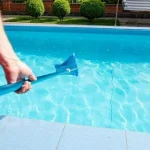
Renting a swimming pool has become increasingly popular for private parties, short-term events, and weekend relaxation. While this option offers convenience and privacy, it also raises serious concerns about hygiene and water safety. Many people assume that a rented pool is clean simply because it looks clear, but visual clarity alone does not guarantee healthy swimming conditions.
This article explains the most common hygiene issues found in public swimming pools and privately rented pools, how they develop, and what renters and pool owners should understand to ensure safe and enjoyable swimming.
Why Hygiene Is a Bigger Concern in Swimming Pools on Rent
Unlike privately owned pools that follow consistent maintenance routines, swimming pools on rent often experience frequent user changes in short periods. This increases the risk of contamination, especially when cleaning schedules are irregular or rushed between bookings.
Each group of swimmers introduces sweat, body oils, sunscreen, cosmetics, and sometimes bacteria into the water. Without proper sanitation and circulation, these contaminants build up quickly, even if the pool appears clean on the surface.
This is why hygiene standards for rental pools must be higher than those for single-household use.
Water That Looks Clean Can Still Be Unsafe
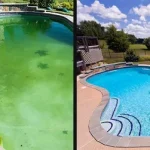
One of the biggest misconceptions about pool hygiene is assuming that clear water means safe water. In reality, many hygiene problems are invisible.
Improper levels of chemicals in swimming pool water allow bacteria, viruses, and algae to survive even when the pool looks crystal clear. When disinfectants are not balanced correctly, swimmers may experience skin irritation, eye redness, or even infections.
Clear water is only meaningful when it is supported by proper sanitation and filtration.
Chemical Imbalance: A Common Hygiene Issue
Chemical balance is critical in rented swimming pools, but it is also one of the most commonly mismanaged areas.
Too little sanitizer allows bacteria and pathogens to survive. Too much sanitizer can cause skin irritation, breathing discomfort, and corrosion of pool surfaces. Poor pH control makes disinfectants less effective and encourages the formation of chloramines, which cause strong odors and discomfort.
Maintaining balanced swimming pool water chemistry is not just about comfort it is essential for preventing illness and protecting pool equipment.
Poor Filtration Leads to Contaminant Buildup
Filtration systems play a major role in pool hygiene, yet they are often overlooked in rental properties. When filters are clogged or poorly maintained, fine debris remains suspended in the water instead of being removed.
This debris includes organic matter such as sweat, hair, and skin cells, which feed bacteria and algae. Over time, this leads to cloudy water, slippery surfaces, and increased chemical demand.
A truly cleanest swimming pool is one where filtration systems are regularly inspected, cleaned, and operated for sufficient hours each day.
Surface Hygiene Is Just as Important as Water Quality
Walls, floors, steps, and handrails can harbor bacteria even when water chemistry appears balanced. In rental pools with high usage, biofilm can develop on surfaces that are not brushed regularly.
Biofilm protects bacteria from disinfectants and allows germs to survive longer. This is especially common in corners, steps, and shallow areas where circulation is weaker.
Routine pool surface brushing and cleaning helps prevent biofilm buildup and improves overall hygiene.
Overcrowding Increases Hygiene Risks
Many swimming pools on rent are used by more people than they were originally designed for. Overcrowding places extra strain on filtration systems and sanitizer levels.
When swimmer load exceeds capacity, contaminants accumulate faster than the pool system can handle. This results in rapid chemical depletion, cloudy water, and higher risk of bacterial spread.
Proper pool usage limits are an important but often ignored aspect of rental pool hygiene.
Design of Swimming Pools and Its Impact on Cleanliness
The design of swimming pools plays a significant role in how easily hygiene can be maintained. Pools with poor circulation zones, sharp corners, or inadequate drainage are harder to keep clean.
Design elements such as shallow ledges, steps, and decorative features can trap debris and restrict water flow. Without proper circulation, these areas become breeding grounds for algae and bacteria.
Well-designed pools allow water to move evenly, making sanitation more effective and reducing maintenance challenges.
Inconsistent Cleaning Schedules Between Rentals
One of the biggest hygiene risks in swimming pools on rent is inconsistent cleaning between bookings. Quick water testing without thorough cleaning does not remove contaminants introduced by previous users.
Proper hygiene requires more than chemical adjustment. It includes skimming debris, brushing surfaces, vacuuming the pool floor, and checking filtration performance.
Skipping these steps to save time increases health risks for the next group of swimmers.
Equipment Issues That Affect Pool Hygiene
Malfunctioning equipment often goes unnoticed until hygiene problems appear. Weak circulation, noisy pumps, or reduced water flow are early signs that equipment is not performing correctly.
When circulation slows down, disinfectants do not distribute evenly and debris remains in the water longer. Over time, this compromises hygiene and increases the likelihood of waterborne issues.
Regular pool equipment inspection and maintenance is essential for rental pools that experience frequent use.
Why Rental Pool Hygiene Requires Professional Oversight
Managing pool hygiene for rental use is more demanding than maintaining a private residential pool. The combination of high swimmer turnover, increased contamination, and tight booking schedules makes professional oversight especially important.
Experienced pool service providers understand how to balance sanitation, filtration, and equipment performance under heavy usage conditions. This ensures that rented pools remain safe, compliant, and enjoyable for every guest.
Call To Action
If you’re concerned about pool hygiene, water safety, or equipment performance, professional guidance can make a real difference. Regular inspection, balanced water chemistry, and proper system checks help prevent hidden issues before they become costly or unsafe.
For reliable swimming pool cleaning, equipment repair, or pool startup support, you can connect using the details below: https://poolresponder.com/ Or Call to (512) 913-0298
Final Thoughts: Hygiene Determines the Swimming Experience
Hygiene is the foundation of a safe and enjoyable swimming experience, especially in swimming pools on rent. Clear water alone is not enough. True cleanliness comes from balanced chemicals, proper filtration, clean surfaces, and well-maintained equipment.
Understanding common hygiene issues helps both renters and pool owners make informed decisions. When hygiene is prioritized, rented swimming pools can be just as safe and enjoyable as privately owned ones.
Frequently Asked Questions
Are public swimming pools and rental pools hygienic?
They can be hygienic if proper cleaning, filtration, and chemical balance are consistently maintained. Problems usually arise from poor maintenance rather than pool type.
What chemicals are used to keep swimming pools clean?
Common pool sanitizers include chlorine or bromine, supported by pH and alkalinity control chemicals to maintain effectiveness and comfort.
How can I tell if a rented swimming pool is clean?
Clear water, no strong chemical odor, clean surfaces, and proper circulation are good signs. Cloudiness or irritation indicates hygiene issues.
Does pool design affect cleanliness?
Yes, the design of swimming pools directly impacts circulation and debris removal, making some pools easier to keep clean than others.
Why do rental pools need more frequent cleaning?
Higher swimmer turnover introduces more contaminants, requiring increased cleaning and monitoring to maintain safe water conditions.