
Getting an inground pool put in is a big decision and an exciting one. A well-installed inground swimming pool adds value to your home, creates a private retreat, and gives your family years of enjoyment. But many homeowners jump into pool installation without fully understanding the process, costs, and long-term responsibilities.
At Pool Responder, we’ve helped countless pool owners maintain, repair, and start up their pools after installation. This guide breaks everything down clearly, so you know exactly what to expect before having an inground pool installed.
What Does “Inground Pool Put In” Actually Mean?
When people search for inground pool put in, they’re usually asking about the full process of installing an inground pool from planning and excavation to equipment setup and water startup.
Installing an inground pool isn’t just digging a hole and filling it with water. It’s a multi-step project that involves:
- Design and layout
- Excavation
- Pool shell installation
- Plumbing and electrical work
- Equipment setup
- Pool startup and water balancing
Each step must be done correctly to avoid costly repairs later.
Planning Before You Put an Inground Pool In
Before construction starts, proper planning makes all the difference.
Choosing the Right Pool Type
Inground pools come in three main types:
- Concrete (gunite) pools
- Fiberglass pools
- Vinyl liner pools
Each option has different costs, durability, and maintenance needs. Your choice impacts not just installation but also long-term pool maintenance and repair costs.
Yard Evaluation and Permits
Your yard’s soil condition, slope, and access points affect how easily an inground pool can be installed. Permits and inspections are also required in most areas.
Skipping this stage often leads to delays and unexpected expenses.
Step-by-Step Process of Getting an Inground Pool Put In
Understanding the installation process helps you avoid surprises.
Excavation and Ground Preparation
Once the layout is marked, excavation begins. This stage must be precise to ensure proper pool depth and drainage.
Pool Shell Installation
Depending on the pool type, the shell is either poured, placed, or assembled. Errors here can cause cracks, leaks, or uneven surfaces.
Plumbing and Electrical Setup
Pumps, filters, heaters, and lighting are installed during this phase. Poor installation often results in early pool equipment repair needs.
Decking and Finishing
Concrete, pavers, or stone are added around the pool. Proper drainage prevents water damage and soil shifting.
Pool Start-Up
This is one of the most overlooked steps. A professional pool start-up service ensures chemicals are balanced and equipment runs efficiently from day one.
Common Mistakes Homeowners Make When Installing an Inground Pool
Many pool problems start during installation.
Rushing the Process
Trying to speed up installation often leads to poor workmanship and future repairs.
Ignoring Equipment Quality
Low-quality pumps and filters may save money upfront but fail sooner.
Skipping Professional Pool Start-Up
Without proper startup, water chemistry can damage surfaces and equipment within weeks.
At Pool Responder, we often fix issues that could have been avoided with proper installation and startup care.
How Long Does It Take to Put an Inground Pool In?
Installation timelines vary based on pool type, weather, and permitting.
On average:
- Fiberglass pools: 2–4 weeks
- Vinyl liner pools: 4–6 weeks
- Concrete pools: 8–12 weeks
Delays are common if inspections fail or materials are unavailable, so patience is key.
Costs to Expect When You Put an Inground Pool In
Many homeowners focus only on the initial installation cost. However, total expenses include:
- Pool construction
- Equipment installation
- Decking and fencing
- Electrical and plumbing
- Ongoing pool cleaning and maintenance
Understanding the full cost helps you budget realistically and avoid financial stress later.
Life After Installation: Maintaining Your Inground Pool
Once your inground pool is installed, proper care keeps it running smoothly.
Regular Pool Cleaning
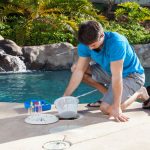
Skimming, brushing, and vacuuming prevent algae and debris buildup.
Equipment Inspections
Routine checks of pumps, filters, and heaters prevent sudden breakdowns.
Water Chemistry Balance
Incorrect chemical levels can damage pool surfaces and cause eye and skin irritation.
Hiring professional pool cleaning services ensures your pool stays safe and clear throughout the season.
Ready for an Expert Touch? Let’s Get Started!
If you’re planning to get an inground pool put in or need professional help after installation, Pool Responder is ready to assist you every step of the way.
Phone: (512) 913-0298
Website: https://poolresponder.com/
Email: [email protected]
From professional pool start-up to reliable equipment repair and routine pool cleaning, our team ensures your pool stays efficient, safe, and enjoyable year-round.
Final Thoughts: Is Putting an Inground Pool In Worth It?
Having an inground pool put in is absolutely worth it when done correctly. With proper planning, professional installation, and ongoing maintenance, your pool can provide decades of enjoyment.
The key is not cutting corners especially during installation and startup. When you partner with professionals like Pool Responder, you get peace of mind knowing your pool is built and maintained the right way.