It usually starts with something small.
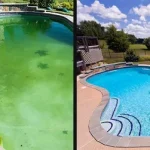
You step outside, expecting a clear blue pool and instead, you notice a few leaves, a slight haze, maybe water that just feels… off. Nothing dramatic. But enough to make you wonder: Am I maintaining this properly?
Here’s the truth most pool owners discover the hard way: neglect doesn’t show up overnight it builds quietly. And the difference between a sparkling pool and a frustrating one often comes down to one thing: consistent, simple pool equipment maintenance.
Key Takeaways
- Pool care doesn’t need hours just 15–20 minutes weekly
- Most problems come from ignored basics, not complex issues
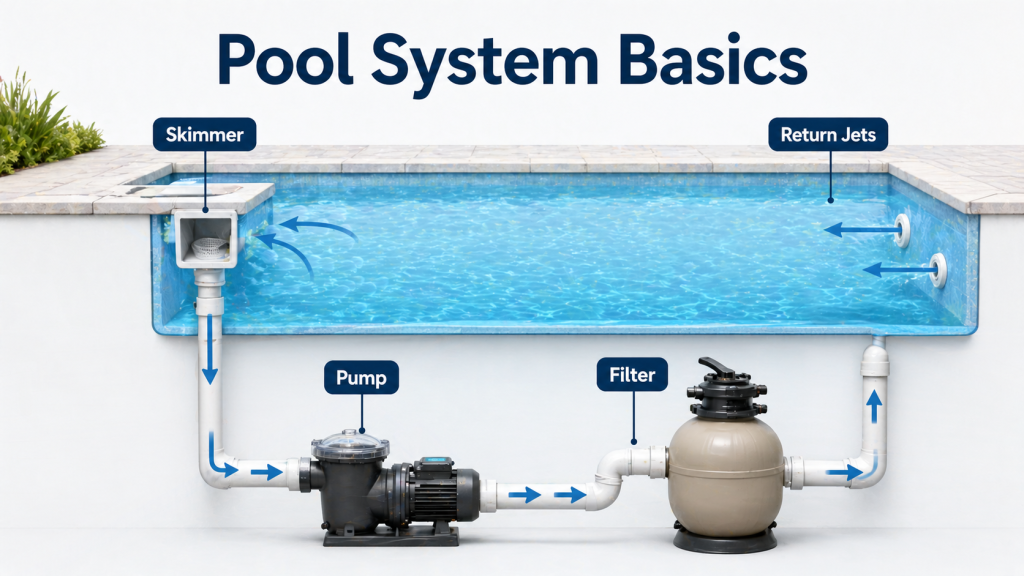
- Your equipment (pump, filter, skimmer) is your first line of defense
- Small habits prevent expensive repairs later
What Does “Pool Equipment Maintenance” Really Mean?
Pool equipment maintenance is the routine care of your pump, filter, skimmer, and cleaning systems to ensure proper water circulation, filtration, and chemical balance.
Think of it like your pool’s heartbeat. If the system flows well, everything else stays easier.
The Real Problem Most Pool Owners Face
It’s not laziness it’s uncertainty.
You’ve probably felt this:
You think your pool is fine… until suddenly it’s cloudy, the filter pressure spikes, or the cleaner stops working properly.
That’s because small warning signs are easy to ignore:
- A slightly full skimmer basket
- A minor pressure increase
- A pump that isn’t fully primed
Individually? Harmless. Together? Costly.
A Simple Weekly Routine That Actually Works
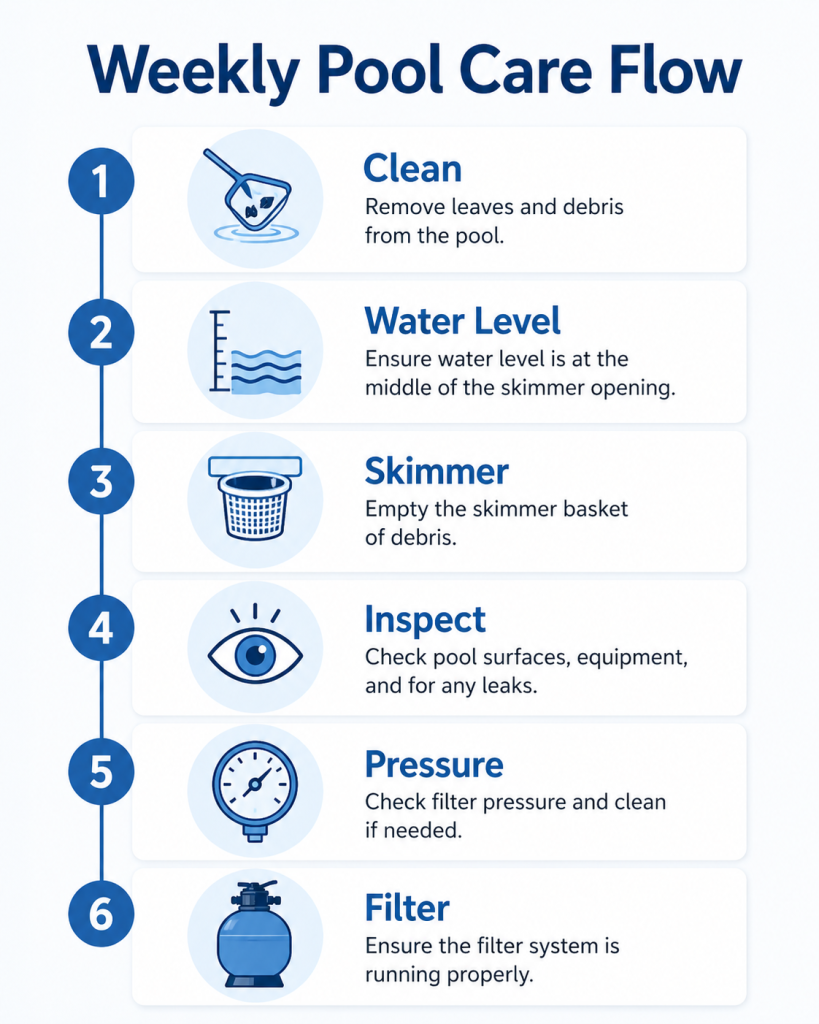
Here’s the part most people overcomplicate.
In reality, effective pool equipment maintenance follows a predictable rhythm:
- Clean Before You Treat
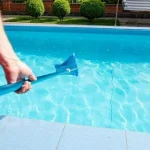
Start by vacuuming or running your pool cleaner.
Why it matters:
Debris affects water chemistry and reduces cleaning efficiency.
- Check Water Level
Keep water halfway up the skimmer opening.
Too low? Air enters system.
Too high? Skimming becomes ineffective.
- Empty the Skimmer Basket
A clogged basket restricts water flow putting strain on your pump.
- Inspect Equipment While Running
Look for:
- Leaks around pump
- Unusual sounds
- Weak water flow
- Monitor Filter Pressure
If pressure rises about 8–10 PSI from clean baseline, it’s time to clean the filter.
- Clean Pump Basket & Filter
Turn off system, release pressure, and clean thoroughly.
Mid-Week Signals You Shouldn’t Ignore
| Warning Sign | Likely Cause | Quick Action | Common Mistake |
| Low pump water | Air in system | Check water level | Ignoring early signs |
| High filter pressure | Dirty filter | Clean cartridge | Waiting too long |
| Weak suction | Blocked basket | Empty skimmer | Blaming equipment |
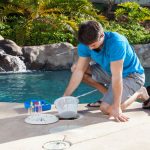
| Cloudy water | Poor circulation | Run system longer | Adding chemicals first |
Testing & Adjusting Water (Without Overthinking It)
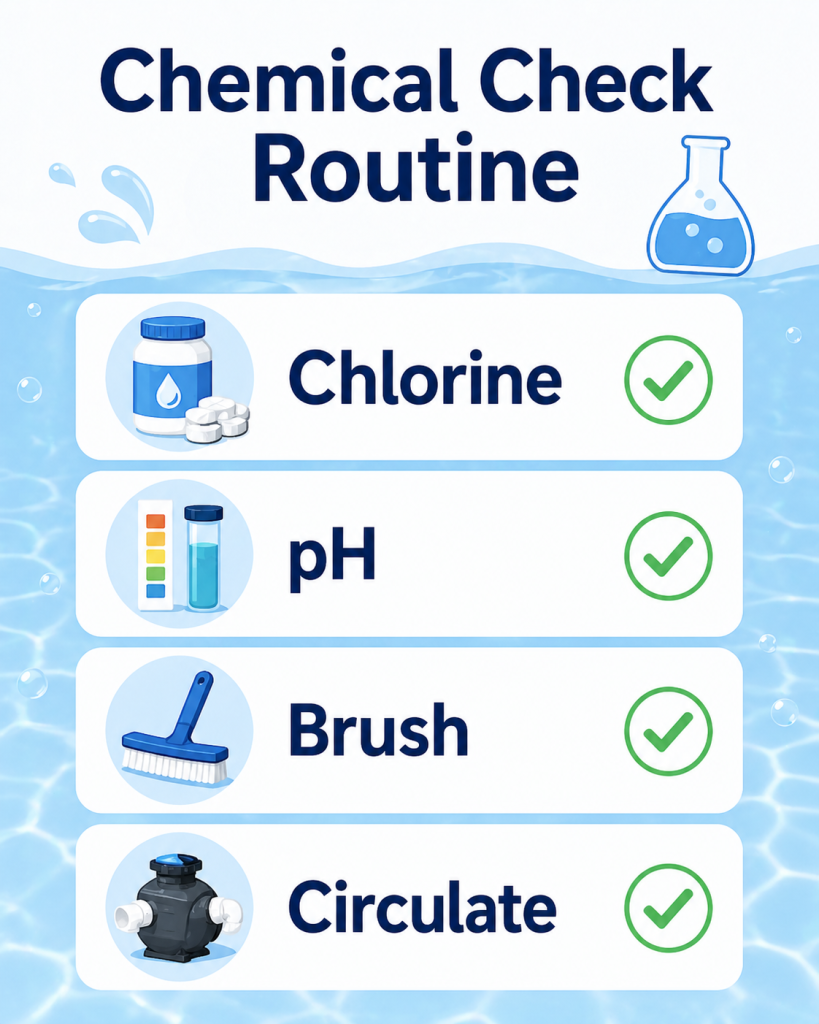
Focus on essentials:
- Chlorine: 2–4 ppm
- pH: Slightly neutral
Add chemicals one at a time and distribute evenly.
Then brush walls and surfaces this step is often skipped, but it makes a noticeable difference.
What Most People Get Wrong (And Pay For Later)
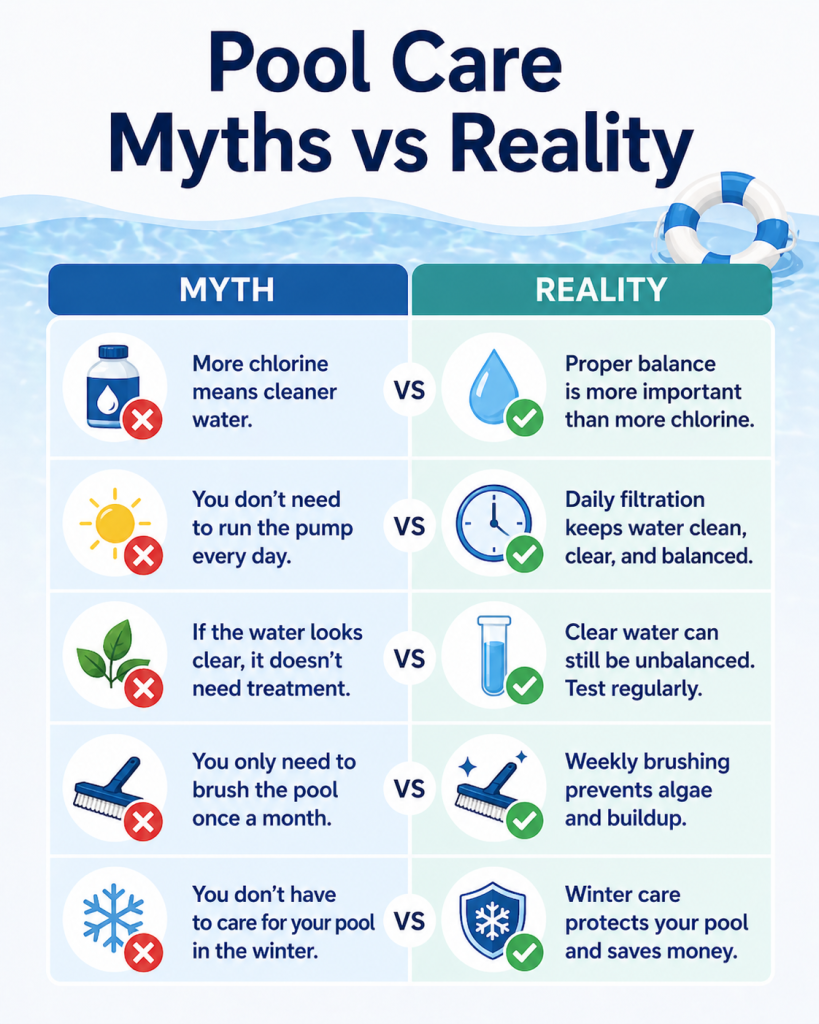
Do This, Not That
- Do: Clean filter when pressure rises
Not: Wait until water turns cloudy - Do: Remove cleaner before heavy chemical use
Not: Let chemicals damage parts - Do: Inspect equipment weekly
Not: Assume everything is fine
A Familiar Scenario You Might Recognize
You skip one week.
Then another.
The pool still looks okay… until suddenly:
- Pressure spikes
- Water clouds
- Equipment strains
Now what was a 20-minute routine becomes a multi-hour fix.
This pattern is common and avoidable.
A Perspective Worth Remembering
“An ounce of prevention is worth a pound of cure.” Benjamin Franklin
Pool care isn’t about perfection. It’s about consistency.
Ready to Keep Your Pool Crystal Clear?
If you want a hassle-free way to handle your pool equipment maintenance, let the experts take care of it for you.
Get in touch today:
🌐 Website: https://poolresponder.com/
📞 Call Us: +1 (512) 913-0298
📧 Email: [email protected]
📍 Location: 504 Grandview Dr, Gatesville, TX 76528
Whether you need weekly maintenance, equipment repair, or a complete pool cleanup, we’re here to make pool ownership simple and stress-free.
Conclusion: Keep It Simple, Keep It Consistent
At its core, pool equipment maintenance isn’t complicated—it’s just easy to ignore.
When you stay consistent:
- Your water stays clearer
- Your equipment lasts longer
- Your stress drops significantly
And maybe most importantly—you spend more time enjoying your pool than fixing it.
Audio Summary (Separate Voice Version)
Maintaining your pool doesn’t require hours—just a simple weekly routine. Focus on cleaning, checking water levels, inspecting equipment, and monitoring filter pressure. Small habits prevent bigger problems. Stay consistent, and your pool stays clear, efficient, and easy to manage.
FAQs
What makes a good pool maintenance routine?
Consistency and attention to equipment—especially your pump, filter, and skimmer.
Best practices for pool equipment maintenance?
Weekly inspections, timely filter cleaning, and proper water levels.
How to maintain pool equipment efficiently?
Follow a structured weekly routine and address small issues early.
When to hire a professional for pool maintenance?
When you notice persistent pressure issues, leaks, or system failures.
Services included in professional pool care?
Equipment inspection, filter cleaning, chemical balancing, and repairs.
Custom maintenance plans—are they worth it?
Yes, especially if your pool usage or environment varies seasonally.
Professional vs DIY pool maintenance—which is better?
DIY works for routine care; professionals help with complex issues.
Best way to extend pool equipment lifespan?
Regular cleaning, avoiding chemical misuse, and monitoring pressure levels.