Keeping a swimming pool clean and safe requires more than just skimming leaves and balancing chemicals. The heart of every pool is its equipment system, which includes pumps, filters, heaters, and other components that keep the water circulating and healthy. When any part of this system begins to fail, it can quickly affect water quality and overall pool performance. Understanding the warning signs early can help you schedule pool equipment repair before the problem becomes costly.
Why Pool Equipment Maintenance Matters
Regular swimming pool maintenance is essential for keeping your pool running efficiently. Pool equipment works continuously to circulate water, remove debris, and maintain proper chemical balance. Over time, wear and tear can reduce the efficiency of pumps, filters, and other components.
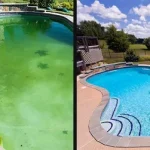
If equipment problems are ignored, they can lead to cloudy water, algae growth, higher energy bills, and even permanent damage to the pool system. Routine inspections and timely repairs not only extend the lifespan of your equipment but also help maintain safe swimming conditions.

Unusual Noises from the Pool Pump
One of the most common warning signs that your system may need pool pump repair is unusual noise. Pool pumps normally make a steady humming sound when operating. However, if you start hearing grinding, rattling, or screeching noises, it may indicate worn bearings, a clogged impeller, or internal damage.
Ignoring these noises can lead to complete pump failure. When a pump stops working properly, water circulation decreases, making it harder to keep the pool clean and chemically balanced. Addressing these issues early can prevent more serious and expensive repairs later.
Weak Water Circulation
Healthy pools rely on proper water circulation. If you notice weak water flow from the return jets or the pool surface water appears stagnant, your equipment may not be functioning correctly. Poor circulation is often linked to pump problems, clogged filters, or blockages within the system.
When circulation slows down, debris and algae can build up faster, making the pool harder to maintain. A professional inspection can help identify whether the issue requires pool equipment troubleshooting or replacement of specific components.
Dirty or Inefficient Pool Filter
Another common sign of equipment trouble is a filter that no longer keeps the water clear. A filter plays a crucial role in trapping dirt, debris, and small particles. If the water remains cloudy even after cleaning the pool, it may be time to consider a pool filter replacement.
Old or damaged filters struggle to capture contaminants, which can cause poor water quality and increased chemical usage. Regularly cleaning the filter and replacing it when necessary ensures the pool system continues to operate effectively.

Rising Energy Bills
An unexpected increase in your electricity bill could also indicate that your pool equipment is struggling. When pumps or heaters begin to fail, they often require more energy to operate. This inefficiency forces the system to work harder than necessary.
Routine swimming pool maintenance can help identify energy-related problems before they become expensive. Servicing equipment regularly ensures that all components operate smoothly and efficiently.
Frequent Equipment Shutdowns
If your pump or other pool equipment frequently turns off or fails to start, it could signal an electrical issue or internal mechanical problem. Equipment shutdowns should never be ignored because they can lead to overheating or permanent system damage.
Professional pool equipment troubleshooting can determine whether the issue involves wiring, motor components, or worn parts that need replacement. Quick repairs help restore normal operation and prevent unexpected breakdowns.
When to Call a Pool Equipment Repair Professional
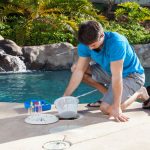
While basic pool care can be handled by homeowners, equipment problems often require expert attention. Certified technicians have the experience and tools to diagnose issues accurately and recommend the right solutions. From pool pump repair to full pool filter replacement, professional service ensures that the entire system works properly.
Experts can also perform a complete equipment inspection, checking pumps, filters, valves, and plumbing connections to detect hidden problems before they escalate.
FAQs
- What are the common signs that my pool equipment needs repair?
Common signs include unusual noises from the pump, weak water circulation, cloudy pool water, frequent equipment shutdowns, and higher electricity bills. These issues often indicate that pool equipment repair may be needed. - How often should pool equipment be inspected?
It is recommended to inspect your pool equipment at least once every few months as part of regular swimming pool maintenance. Professional inspections once or twice a year can help detect small issues before they become costly repairs. - Can a faulty pool pump affect water quality?
Yes, a malfunctioning pump can reduce water circulation, which may lead to algae growth, debris buildup, and poor chemical distribution. In such cases, pool pump repair should be done as soon as possible to restore proper water flow. - When should I replace my pool filter instead of repairing it?
If the filter is old, damaged, or no longer keeping the water clear even after cleaning, it may be time for a pool filter replacement. A professional technician can inspect the filter and recommend the best solution. - Should I troubleshoot pool equipment problems myself?
Basic checks like cleaning the filter or removing debris can be done by homeowners. However, complex issues require professional pool equipment troubleshooting to prevent further damage and ensure safe operation of the pool system.
Final Thoughts
Recognizing early warning signs is the key to preventing major pool system failures. Strange noises, weak water circulation, cloudy water, rising energy costs, and equipment shutdowns are all indicators that your system may require pool equipment repair.
By staying proactive with inspections and regular swimming pool maintenance, you can keep your pool running efficiently and avoid expensive repairs in the future. Proper care not only protects your equipment but also ensures a safe and enjoyable swimming experience for everyone.