
Introduction
Learning how to change swimming pool filter sand helps keep pool water clean, clear, and safe. Filter sand traps dirt, oils, leaves, insects, and other particles as water moves through the system.
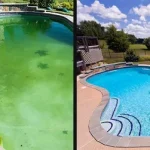
Over time, the sand becomes smooth and less effective. Dirt may also create channels inside the filter tank. Water can then pass through without receiving proper filtration.
Replacing old sand can improve water circulation and reduce cloudy water. It may also lower pressure on your filtration system. This guide explains the complete process, expected costs, safety precautions, and maintenance tips.
How a Sand Filter Swimming Pool System Works

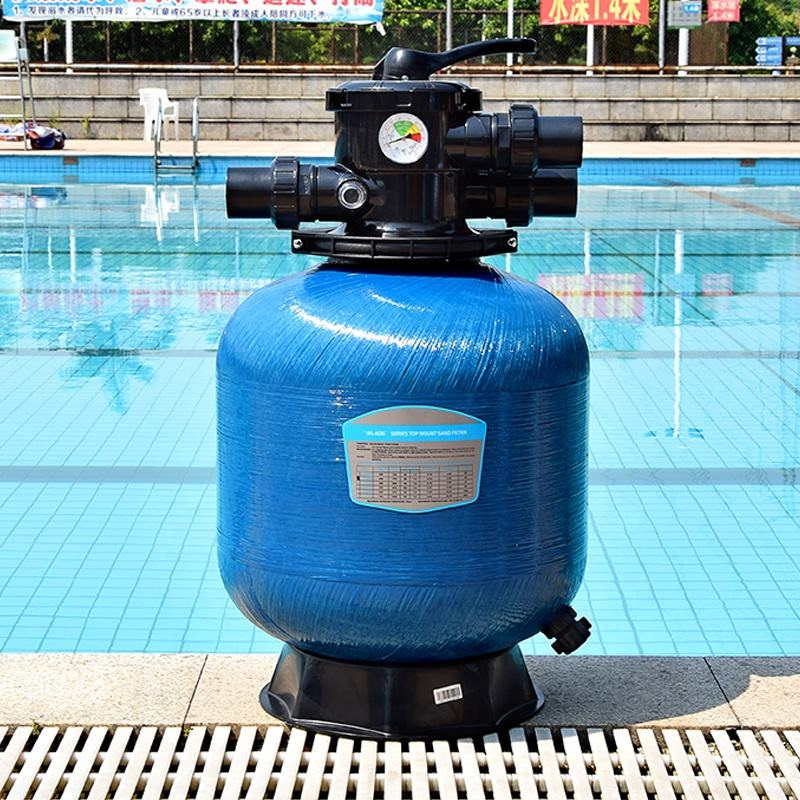
A sand filter swimming pool system uses specially graded silica or glass filter media. Pool water enters the tank and passes through the filter sand.
The sand traps small particles while cleaner water returns to the pool. This process continues whenever the pool pump operates.
A typical sand filtration system includes:
-
A filter tank
-
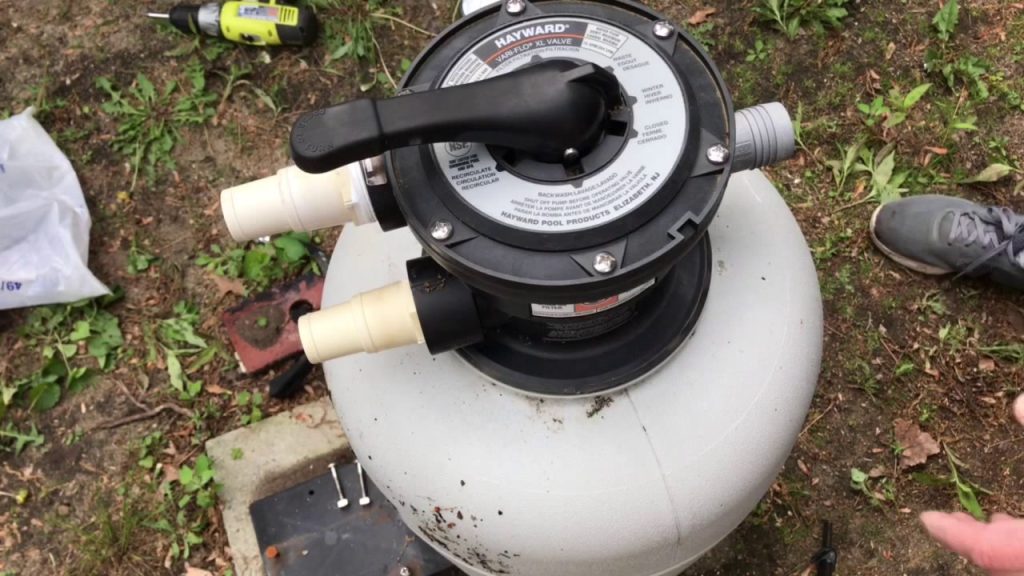
A multiport valve
-
A pressure gauge
-
A centre standpipe
-
Filter laterals
-
A drain plug
-
Pool filter sand
-
A connected pool pump
Sand filters are popular because they are reliable and simple to maintain. They also work well for many residential pools.
However, regular backwashing does not remove every contaminant. Oils, minerals, and fine particles can remain trapped inside the sand.
What Is Swimming Pool Filter Sand?
Swimming pool filter sand is not the same as beach sand, play sand, or construction sand. It is specially processed for use inside pool filters.
The grains have the correct size and texture to capture contaminants. Using unsuitable sand can damage the filter or allow debris to return to the pool.
Always check the filter label or instruction manual before buying replacement media. Most manufacturers state the required sand type and total weight.
Common filter media options include:
-
Silica filter sand
-
Glass filter media
-
Zeolite filter media
Standard silica sand is often the most affordable choice. Glass and zeolite may offer finer filtration, depending on the filter design.
When Should Swimming Pool Filter Sand Be Replaced?
Knowing when to change swimming pool filter sand can prevent water quality problems. Many filter systems can use the same sand for several years.
The exact replacement schedule depends on pool use, water chemistry, and filter maintenance. Manufacturer recommendations should always take priority.
Common warning signs include:
-
Pool water remains cloudy after filtration
-
The filter pressure rises quickly
-
Water flow becomes weaker
-
Backwashing is needed more frequently
-
Dirt returns through the pool jets
-
The filter struggles to maintain water clarity
-
Sand appears inside the swimming pool
These symptoms do not always mean the sand needs replacement. A blocked line, damaged valve, weak pump, or broken lateral can cause similar problems.
Inspect the complete filtration system before replacing the sand.
Choosing the Right Swimming Pool Filter Sand
The correct swimming pool filter sand protects the internal filter components. It also supports effective water circulation.
Check the filter model number before purchasing sand. The manual should provide the required grade and weight.
A residential filter may require several 50 pound bags. Larger filters can require much more material.
Never add more sand than the manufacturer recommends. Excess sand can enter the valve or restrict water movement.
Before purchasing replacement media, confirm:
-
The required sand grade
-
The total sand capacity
-
The filter model
-
The condition of the laterals
-
Whether gravel is required underneath
-
Whether glass media can be used
Keep the product bags dry before installation. Wet bags are heavier and harder to pour.
Cost of Changing Sand Filter for a Swimming Pool
The cost of changing a sand filter for a swimming pool depends on filter size and labour requirements.
DIY Swimming Pool Filter Sand Cost
A DIY replacement may cost approximately $150 to $200. This estimate can include:
-
Replacement filter sand
-
A wet and dry vacuum
-
Basic hand tools
-
Safety gloves
-
Protective goggles
-
Replacement seals or lubricant
A 50 pound bag of filter sand may cost around $50. Prices vary by product type, location, and supplier.
Homeowners who already own the required tools may spend less.
Professional Swimming Pool Filter Sand Cost

Professional filter sand replacement may cost between $250 and $500. The final price depends on:
-
Pool size
-
Filter capacity
-
Equipment condition
-
Access to the filter
-
Required replacement parts
-
Local labour charges
A professional may also inspect the valve, laterals, pressure gauge, and pump. This inspection can identify problems before they become expensive repairs.
Tools Needed to Change Swimming Pool Filter Sand
Prepare all materials before opening the filter tank. This helps prevent unnecessary delays.
You may need:
-
Correct pool filter sand
-
Screwdrivers
-
Adjustable wrench
-
Garden hose
-
Wet and dry vacuum
-
Small plastic cup or scoop
-
Protective gloves
-
Safety goggles
-
Dust mask
-
Silicone based pool lubricant
-
Replacement O ring
-
Plastic covering for the standpipe
Avoid using metal shovels inside the tank. Metal tools can damage the laterals or internal surfaces.
How to Change Swimming Pool Filter Sand Safely
Follow the manufacturer instructions for your specific filter. Filter designs can vary between brands and models.
Step 1: Turn Off the Pool Equipment
Switch off the pool pump at the control panel. Disconnect the power supply before opening the filter.
Never work on the filter while the pump is running. Pressure inside the tank can cause serious equipment damage.
Step 2: Release the Filter Pressure
Open the air relief valve, when available. Wait until the pressure gauge reaches zero.
Slowly remove the drain plug from the bottom of the filter. Allow all water to leave the tank.
Step 3: Disconnect the Multiport Valve
Photograph the pipe connections before removing anything. This makes reassembly easier.
Loosen the clamp or bolts holding the valve in place. Carefully lift the valve from the tank.
Do not force the valve. Check for hidden screws, unions, or connected pipes.
Step 4: Protect the Centre Standpipe
Cover the opening of the centre standpipe with a plastic cup or secure covering. This prevents sand from falling into the pipe.
Sand inside the standpipe can enter the pool when the system restarts.
Step 5: Remove the Old Filter Sand
Use a wet and dry vacuum to remove the old sand. Work slowly near the bottom of the tank.
The filter laterals are delicate. Aggressive vacuuming can crack or loosen them.
You can also remove sand with a small plastic scoop. Avoid pressing tools against the internal components.
Step 6: Inspect the Filter Interior
Once the sand is removed, examine the standpipe and laterals.
Look for:
-
Cracked laterals
-
Loose fittings
-
Damaged seals
-
Mineral deposits
-
Broken plastic parts
-
Internal staining
-
Valve damage
Replace damaged components before adding new sand. Broken laterals can send sand directly into the swimming pool.
Step 7: Add Water to the Filter Tank
Fill the tank about halfway with clean water. The water cushions the laterals when new sand is added.
Pouring heavy sand directly onto dry laterals can damage them.
Step 8: Add New Swimming Pool Filter Sand
Keep the centre standpipe upright and centred. Slowly pour the new swimming pool filter sand into the tank.
Add the amount listed in the manufacturer manual. Spread the sand evenly around the standpipe.
Do not remove the standpipe cover until all sand has been added.
Step 9: Reassemble the Filter
Clean the top of the filter tank and inspect the O ring. Replace damaged or flattened seals.
Apply a small amount of approved silicone lubricant when recommended. Do not use petroleum based products.
Reinstall the multiport valve and secure the clamp. Reconnect all pipes according to your reference photograph.
Step 10: Backwash the New Sand
Set the valve to the backwash position. Restore power and run the pump according to manufacturer guidance.
Turn the pump off before changing the valve setting. Move the valve to rinse and operate the pump again.
Finally, return the valve to the filter position. Check all connections for leaks.
Above Ground Swimming Pool Sand Filter Replacement

An above ground swimming pool sand filter is often smaller and easier to access. However, it still requires careful handling.
Confirm that the pump is disconnected before opening the tank. Release the pressure and drain the filter completely.
Some above ground systems use flexible hoses instead of rigid plumbing. Inspect these hoses for cracks and loose clamps.
The filter may also require less sand than an in ground model. Never estimate the required amount by looking at the tank.
Read the equipment label and follow the stated sand capacity.
In Ground Swimming Pool Sand Filter Replacement
An in ground swimming pool sand filter is usually larger and connected to permanent plumbing. It may require more time and physical effort.
Large filters can hold several hundred pounds of wet sand. Removing this material without proper tools can be difficult.
Professional help may be useful when:
-
The filter is very large
-
Pipes must be cut or replaced
-
The multiport valve is damaged
-
The tank has visible cracks
-
Sand is entering the pool
-
The equipment area has limited access
A professional can also pressure test the system after replacement.
Swimming Pool Pump and Sand Filter Inspection
A swimming pool pump and sand filter must work together. Replacing the sand will not solve every circulation problem.
Check the pump basket for leaves and debris. Inspect the pump lid seal and confirm that the lid closes securely.
Air bubbles inside the pump basket may indicate an air leak. A clogged impeller can also reduce water flow.
Review these components during maintenance:
-
Pump basket
-
Skimmer basket
-
Pump lid seal
-
Pressure gauge
-
Multiport valve
-
Return jets
-
Filter laterals
-
Drain plug
-
Plumbing connections
Record the normal filter pressure after installing new sand. This reading becomes your clean pressure reference.
Backwash the filter when pressure rises above the recommended level.
DIY or Professional Sand Filter Service
A DIY replacement can reduce labour costs. It is most suitable for accessible filters in good condition.
Choose the DIY method when:
-
You understand the equipment
-
The plumbing is easy to disconnect
-
The filter is not damaged
-
You have suitable tools
-
You can safely remove heavy wet sand
Professional service can save time and reduce the risk of damage.
Consider hiring a pool technician when:
-
You are unsure about the filter design
-
The tank is very large
-
Internal parts require replacement
-
The valve is leaking
-
The pump has circulation problems
-
Sand keeps returning to the pool
A technician can inspect the complete system instead of replacing only the sand.
Additional Pool Maintenance Considerations
Changing the sand is a good opportunity to inspect the surrounding pool equipment.
Review the condition of:
-
Pool ladders
-
Handrails
-
Steps
-
Skimmer covers
-
Pump wiring
-
Plumbing connections
-
Pool vacuum equipment
-
Safety barriers
Test the water after restarting the filtration system. Check the pH, chlorine level, alkalinity, and stabiliser level.
Balanced water protects swimmers and pool equipment. Incorrect chemistry can also reduce filtration performance.
For major upgrades, project supervision may cost between 5 percent and 15 percent of the total project value. This may apply when installing pumps, filters, pipes, or other equipment.
Frequently Asked Questions
Can ordinary sand be used in a pool filter?
No. Use only sand or filter media approved for your specific pool filter. Ordinary sand can damage the system.
Why is sand returning to my swimming pool?
A broken lateral, damaged standpipe, incorrect sand grade, or excessive sand may cause this problem.
Should I backwash after adding new filter sand?
Yes. Backwashing removes fine dust from the new media. Follow it with a rinse cycle before normal filtration.
For Expert Opinion
- www.poolresponder.com
- 504 Grandview Dr gateville tx 76528
- 512-913-0298
- [email protected]
Conclusion
Understanding how to change swimming pool filter sand can improve water clarity and filtration performance. The process requires careful preparation, safe pressure release, and proper inspection.
A DIY replacement may be practical for a small and accessible filter. Larger systems may require professional tools and experience.
Always use the correct filter media and sand quantity. Inspect the laterals, valve, pump, and seals before restarting the system.
Regular filter checks, balanced water chemistry, and timely backwashing will keep your pool clean and enjoyable.