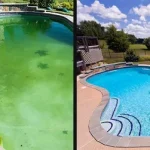

A swimming pool turning green is a common issue faced by many pool owners. Algae growth, poor filtration, and improper chemical balance can quickly turn clear water into a murky green mess. Fortunately, the green to blue pool treatment process is designed to restore the pool’s clarity and safety using the right combination of chemicals and proper filtration. When applied correctly, this treatment can transform a green pool into clean, blue water in a short time.
Professional technicians often use a series of tested chemicals to eliminate algae, balance the water, and restore healthy pool conditions. Understanding which chemicals are involved in the process can help pool owners maintain their pools more effectively and prevent future problems.
Why Pools Turn Green in the First Place
Before discussing the chemicals used, it is important to understand why pool water turns green. The most common cause is algae growth. When chlorine levels drop or filtration systems are not working properly, algae can spread quickly throughout the pool.
Warm temperatures, sunlight, and debris such as leaves or dirt can also contribute to algae growth. Without proper maintenance, the water becomes cloudy and green, making the pool unsafe for swimming.

A professional pool algae removal service typically begins with testing the pool water to determine the chemical imbalance. Once the issue is identified, the proper treatment plan is applied to remove algae and restore the water quality.
Chlorine Shock – The First Step in Green to Blue Treatment
One of the most important chemicals used in green to blue pool treatment is chlorine shock. This powerful chemical treatment dramatically increases chlorine levels in the water to kill algae, bacteria, and other contaminants.
Pool professionals usually apply shock treatment during the early stages of cleaning because it quickly begins breaking down algae colonies. In many cases, the water may initially appear cloudy after the shock process, but this is normal and part of the cleaning process.
Once chlorine shock starts working, the filtration system helps remove dead algae and debris from the pool water.
Algaecide – Targeting Stubborn Algae
Algaecide is another key chemical used in the cleaning process. While chlorine shock kills most algae, some types can be resistant and may require additional treatment.
Algaecide works by preventing algae from reproducing and spreading throughout the pool. This chemical is especially helpful for severe algae blooms where the pool water has turned dark green.
A professional above ground pool green to blue treatment usually combines chlorine shock with algaecide to ensure that algae is completely eliminated from the pool.
Pool Flocculant – Clearing Cloudy Water

After algae has been killed, the pool water may still appear cloudy due to tiny particles floating in the water. This is where pool flocculant plays an important role.
Flocculant binds small particles together, making them heavy enough to sink to the bottom of the pool. Once these particles settle, they can be vacuumed out easily. This step significantly improves water clarity and helps speed up the process of restoring a blue, clear pool.
Many professional pool technicians rely on flocculants when performing a professional pool water treatment service because it helps achieve faster and more effective results.
Pool Clarifier – Improving Water Clarity
Pool clarifiers are also commonly used during the green to blue process. These chemicals help small debris particles clump together so that the pool filter can capture them more efficiently.
Unlike flocculants, clarifiers allow the filtration system to remove particles gradually without requiring manual vacuuming. This makes them useful for pools that are moderately cloudy rather than heavily contaminated.
By improving filtration performance, clarifiers help restore sparkling pool water more quickly.
pH Balancers – Restoring Proper Chemical Balance

Once the algae and debris are removed, the final step is balancing the pool’s chemistry. Maintaining the correct pH level is essential for safe swimming and effective chlorine performance.
Chemicals such as pH increasers, pH reducers, and alkalinity adjusters are used to stabilize the water. Balanced water helps prevent algae growth and protects pool equipment from damage.
In many cases, technicians also inspect the filtration system and may recommend swimming pool equipment repair in Gatesville, TX if pumps, filters, or circulation systems are not working properly.
Why Professional Green to Blue Treatment Works Best
While some pool owners attempt to clean a green pool themselves, professional services often deliver faster and safer results. Experienced technicians understand how to properly combine chemicals, test water levels, and operate filtration systems.
A reliable green to blue pool service in Gatesville, TX can quickly diagnose the problem and apply the right treatment plan to restore clear water. Professional maintenance also helps prevent recurring algae issues and keeps the pool running efficiently.
FAQs
- What chemicals are used in a green to blue pool treatment?
The most common chemicals used in a green to blue pool treatment include chlorine shock, algaecide, pool clarifier, pool flocculant, and pH balancing chemicals. These products work together to kill algae, remove contaminants, and restore clear blue water. - How long does it take to turn a green pool blue using chemicals?
In most cases, it can take 24 to 72 hours to turn a green pool blue, depending on the severity of the algae growth. Proper filtration, brushing, and the right chemical balance are essential for faster results. - Is chlorine shock enough to clean a green pool?
Chlorine shock plays a major role in killing algae, but it is usually not enough on its own. Additional chemicals such as algaecide and clarifiers are often required to remove algae completely and clear the water. - Can I use green to blue chemicals in an above-ground pool?
Yes, the same chemical treatment process works for above-ground pools. A professional above ground pool green to blue treatment uses controlled chemical levels to safely remove algae and restore water clarity. - When should I call a professional for green pool treatment?
If the pool water is extremely dark green, cloudy, or if algae keeps returning, it is best to hire a green to blue pool service in Gatesville, TX. Professionals have the right equipment and chemical knowledge to restore the pool safely and quickly.
Final Thoughts
Turning a green pool back to crystal-clear blue water requires the right chemicals and proper treatment techniques. Chlorine shock, algaecide, flocculants, clarifiers, and pH balancers all play an important role in restoring healthy pool conditions.
With proper maintenance and timely cleaning, pool owners can avoid major algae problems and keep their pools safe for swimming. When algae growth becomes severe, professional treatment ensures that the problem is resolved quickly and effectively, bringing the pool back to its clean and inviting state.